The Internet of Things (IoT) has evolved from a futuristic concept to a present-day reality, connecting everyday objects to the internet in ways that enhance convenience, efficiency, and decision-making. As more devices become interconnected, both consumers and businesses are feeling the impact. The growing IoT ecosystem is reshaping industries and daily life, and its presence is undeniable. This article will explore the rise of IoT, its implications for consumers and businesses, and how it’s transforming the way we live and work.
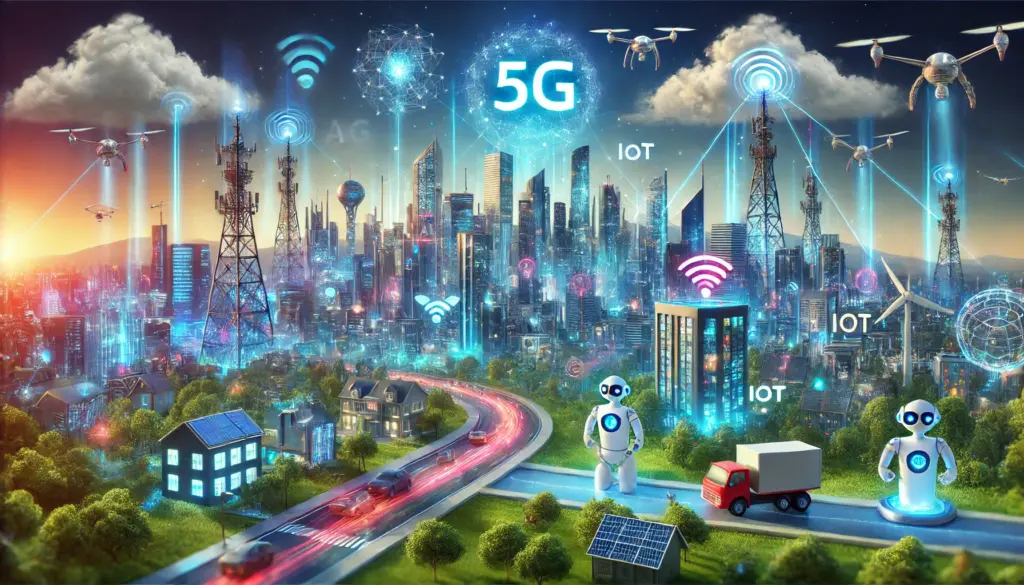
The Consumer Experience: A Smarter, More Connected Lifestyle
For consumers, the rise of IoT means a more convenient and personalized experience. Smart homes, wearables, and voice-activated devices are now commonplace. These interconnected devices allow users to manage their homes more efficiently, track health data, and access information with ease.
Smart thermostats like Nest learn household preferences and adjust temperatures accordingly, resulting in increased energy efficiency and cost savings. Wearable devices, such as fitness trackers or smartwatches, track everything from daily steps to heart rate, offering valuable insights into personal health. Moreover, IoT-enabled voice assistants, such as Amazon Alexa and Google Assistant, help consumers control devices, set reminders, or ask questions, all through simple voice commands.
For the modern consumer, IoT enhances convenience and accessibility, seamlessly integrating into daily life. The ever-expanding network of interconnected devices also makes it possible for individuals to monitor their homes remotely, ensuring safety and comfort, even from afar.
IoT in Business: Unlocking New Opportunities for Efficiency and Innovation
For businesses, the adoption of IoT opens up new opportunities to enhance efficiency, reduce costs, and unlock innovative solutions. In manufacturing, IoT is revolutionizing operations through automation and predictive maintenance. With connected sensors embedded in equipment, businesses can monitor machinery in real time, identifying potential issues before they lead to expensive breakdowns.
The retail sector is another area benefiting from IoT technology. Through IoT-enabled supply chain management, companies can track inventory, forecast demand, and streamline operations. Additionally, customer-facing IoT devices such as smart shelves, payment systems, and personalized offers allow businesses to provide tailored experiences for their customers.
In healthcare, IoT is playing a pivotal role in transforming patient care. Medical devices and sensors connected to the internet allow doctors to monitor patients’ health remotely, enhancing the level of care provided. Hospitals can use IoT devices to track equipment, medication, and patient records, streamlining processes and improving the accuracy of diagnosis and treatment.
Ultimately, businesses that harness the power of IoT gain a competitive edge by improving operational efficiency, optimizing customer experiences, and creating new business models.
IoT’s Impact on Data Security: A Growing Concern
While IoT offers numerous advantages, it also raises significant concerns, especially around data security and privacy. As more devices collect and transmit data, the risk of security breaches grows. Hackers can exploit vulnerabilities in connected devices to access sensitive information, leading to potential financial or reputational damage for businesses and consumers alike.
For consumers, the convenience of IoT devices may come at the cost of personal privacy. Smart speakers and home security systems continuously collect data, which can be vulnerable to breaches. It is crucial for users to remain aware of privacy settings and take measures to secure their data, such as using strong passwords and regularly updating device software.
For businesses, the challenge lies in implementing robust cybersecurity measures to protect both consumer data and internal systems. As the IoT ecosystem grows, companies must stay vigilant against threats and work with cybersecurity experts to safeguard their operations.
Q&A: How IoT Will Shape the Future
Q: How can businesses integrate IoT into their operations?
A: Businesses can start by identifying areas where IoT can improve efficiency, such as inventory management, customer service, and maintenance. By investing in smart devices, sensors, and analytics platforms, businesses can collect data to make informed decisions and create a more streamlined operation.
Q: What is the future of IoT for consumers?
A: As more devices become interconnected, the consumer IoT ecosystem will continue to expand. Future advancements may include even smarter homes, improved health tracking, and autonomous vehicles. Consumers can expect even greater convenience, personalization, and automation in their daily lives.
Q: How can consumers secure their IoT devices?
A: Consumers can enhance the security of their IoT devices by regularly updating software, using strong passwords, and setting up two-factor authentication where available. It’s also important to review privacy settings and limit data sharing with third parties.
Conclusion: IoT is Here to Stay
The rise of the Internet of Things has created a more connected world, offering consumers and businesses alike countless opportunities to improve efficiency, convenience, and innovation. While there are challenges, particularly in terms of data security, the benefits far outweigh the risks. As IoT continues to expand, both individuals and organizations will need to adapt to new technologies and find ways to make the most of them. From smart homes to healthcare innovation, IoT is transforming our lives in ways that were once only imagined. The future is bright for IoT, and it is clear that its impact will be felt across the globe for years to come.

Penulis di Ascendory yang fokus membantu pembaca naik level lewat teknologi,
pengembangan diri, dan strategi bisnis online yang praktis. Suka eksplorasi tools
produktivitas, tren digital, dan cara menyeimbangkan hidup biar tetap waras meski
sibuk. Percaya bahwa kemajuan kecil yang konsisten lebih ampuh dari semangat
sehari yang langsung padam.